
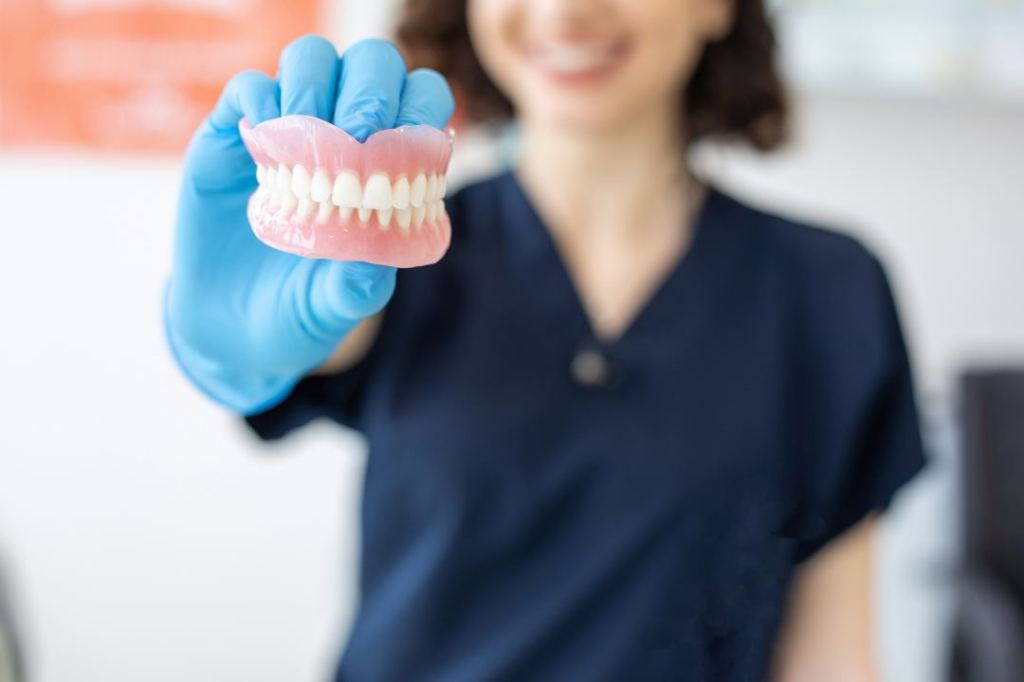
Dentures are a great solution for individuals who have lost teeth and want to restore their smile, confidence, and ability to eat comfortably. However, like natural teeth, dentures require proper care to ensure they last as long as possible. While dentures don’t decay like real teeth, they can still become damaged, stained, or uncomfortable if not cared for properly. Whether you’re new to dentures or have had them for years, learning how to properly care for your dentures to ensure longevity is essential.
In this guide, we’ll cover everything you need to know about denture care, from daily cleaning routines to handling tips. By following these guidelines, you can keep your dentures in great shape for years to come.
Why Proper Denture Care Matters
Dentures can last anywhere from five to ten years with proper care. However, neglecting to care for them properly can lead to issues such as staining, discomfort, and even the need for costly repairs or replacements. According to Dr Arthur Yeh, maintaining your dentures also plays a critical role in your oral health, as a clean set of dentures helps prevent infections, gum irritation, and bad breath.
So, what are the steps involved in how to properly care for your dentures to ensure longevity? Let’s dive into the essential tips and best practices.
Clean Your Dentures Daily
Just like your natural teeth, dentures need to be cleaned every day to remove food particles, plaque, and bacteria. Even though dentures aren’t susceptible to cavities, leftover debris can cause gum irritation, bad breath, and staining over time. Cleaning your dentures daily is the most important step in maintaining their longevity.
How to Clean Dentures Properly
- Remove and Rinse: After meals, remove your dentures and rinse them under lukewarm water to remove food particles.
- Brush Gently: Use a soft-bristled denture brush to gently clean all surfaces of the dentures, including the grooves that fit against your gums.
- Use Denture Cleaner: Instead of regular toothpaste (which can be abrasive), use a denture-specific cleaner to prevent scratches. This helps maintain the smooth surface of the dentures, making them more resistant to bacteria buildup.
Soak Your Dentures Overnight
Dentures need to stay moist to maintain their shape, so it’s important to soak them in a denture-cleaning solution or water overnight. This helps prevent them from drying out and becoming brittle. Not only does soaking keep your dentures pliable, but it also kills any lingering bacteria and helps remove stains.
Why Soaking Is Important
- Prevents Warping: Soaking dentures keeps them from drying out, which could cause them to warp and not fit properly.
- Kills Bacteria: Using a denture cleanser kills bacteria and helps maintain hygiene, which prevents oral infections.
Handle Your Dentures with Care
Dentures are delicate and can break if dropped or mishandled. Always handle your dentures with care to avoid damaging them. When cleaning or removing your dentures, consider doing so over a soft towel or a sink filled with water to prevent them from breaking if they slip from your hands.
Tips for Safely Handling Dentures
- Grip Carefully: Use both hands to hold your dentures, ensuring you have a firm grip without squeezing too hard.
- Protect from Falls: Always stand over a soft surface or a water-filled basin while handling your dentures.
Avoid Abrasive Cleaning Materials
Using the wrong cleaning tools can scratch the surface of your dentures, making them more prone to bacteria buildup and staining. Never use sharp objects, harsh chemicals, or regular toothpaste on your dentures, as they can be too abrasive.
Safe Cleaning Options for Dentures
- Denture Brushes: These brushes are specifically designed with soft bristles that won’t damage your dentures.
- Mild Soaps: In a pinch, mild dish soap can be used to clean dentures, but it’s best to use a denture cleanser.
- Avoid Whitening Toothpaste: These often contain abrasives that can scratch the surface of your dentures.
Schedule Regular Dental Checkups
Even though you have dentures, regular dental visits are still essential for your oral health. Your dentist will check your dentures for proper fit and wear, ensuring they are still in good condition. They will also check your gums and oral tissues for any signs of irritation or infection.
How Often Should You See Your Dentist?
- Every 6 Months: Schedule a checkup at least twice a year to have your dentures professionally cleaned and adjusted if needed.
- More Often If Needed: If you experience discomfort, sores, or changes in how your dentures fit, visit your dentist sooner.
Be Mindful of What You Eat
While dentures allow you to enjoy many of your favorite foods, there are certain foods you should avoid to prevent damage. Sticky, hard, or crunchy foods can put pressure on your dentures and cause them to crack or become dislodged.
Foods to Avoid with Dentures
- Hard Foods: Avoid foods like nuts, popcorn, and hard candies, which can damage your dentures.
- Sticky Foods: Chewing gum, taffy, and caramel can stick to your dentures and make them difficult to clean.
- Tough Meats: Be mindful when eating tougher cuts of meat, as they require more chewing force, which could dislodge your dentures.
Don’t Forget to Clean Your Mouth
Just because you wear dentures doesn’t mean you should neglect your gums, tongue, and other oral tissues. Keeping your mouth clean is essential to preventing infections and ensuring your dentures fit comfortably.
How to Clean Your Mouth
- Rinse with Mouthwash: Use a gentle, alcohol-free mouthwash to clean your gums and tongue.
- Brush Your Gums: Use a soft toothbrush to brush your gums, tongue, and roof of your mouth before inserting your dentures each morning.
Avoid Using Denture Adhesive Excessively
Denture adhesive can help hold your dentures in place, but using too much adhesive can lead to a mess and discomfort. If you find yourself relying heavily on adhesive to keep your dentures in place, it may be time to have them adjusted by your dentist.
Signs of Denture Adhesive Overuse
- Excess Residue: If you’re constantly cleaning adhesive residue off your dentures or gums, you might be using too much.
- Loose Fit: If your dentures still feel loose despite using adhesive, they may need to be refitted.
Conclusion
Taking proper care of your dentures is crucial for ensuring their longevity and maintaining good oral health. By cleaning them daily, soaking them overnight, handling them with care, and visiting your dentist regularly, you can keep your dentures in excellent condition for years to come. Additionally, being mindful of what you eat and how much adhesive you use will help you avoid unnecessary wear and tear.
Remember, your dentures are an investment in your smile and well-being, and with the right care, they can serve you well for many years. Now that you know how to properly care for your dentures to ensure longevity, you’re well on your way to keeping them in top shape!
 Every Corner
Leave a comment