
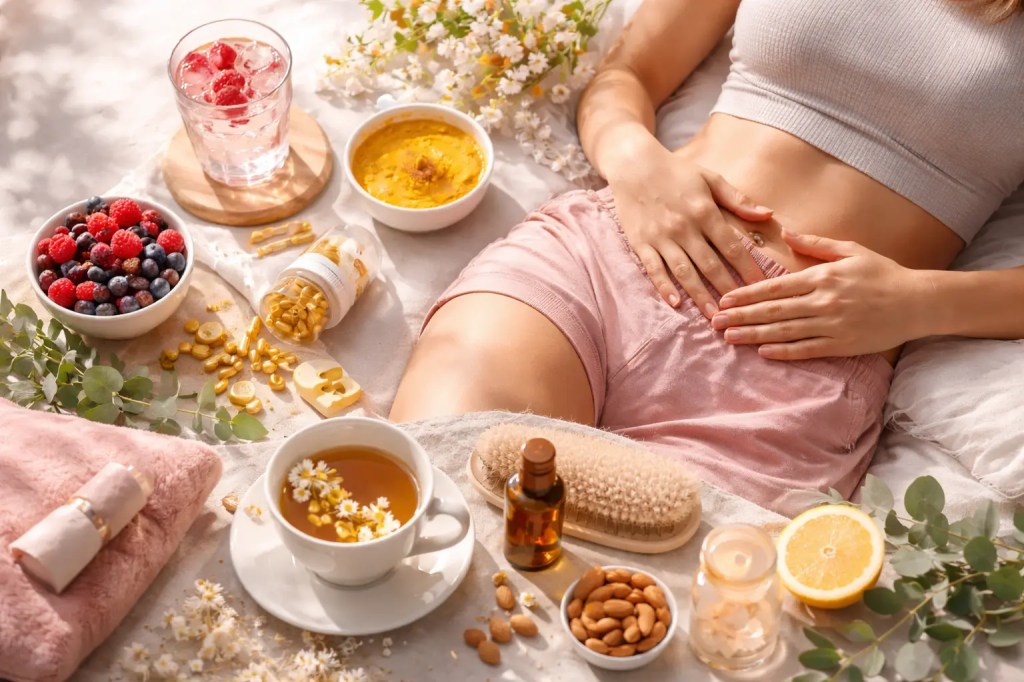
Menstrual health affects a woman’s physical strength, mood, and daily routine. Many women face cramps, fatigue, bloating, and stress during their cycle. Simple Period Wellness Habits can reduce discomfort and support a Pain-Free monthly experience. These habits improve hormonal balance, support sanitation, and protect reproductive health. This guide explains clear and practical steps that help women manage their period with less pain and more confidence.
Understanding the Menstrual Cycle and Pain
The menstrual cycle usually lasts 21 to 35 days. Hormones control each stage of the cycle. The uterus builds a lining to support pregnancy. If pregnancy does not occur, the body sheds the lining. This process causes bleeding.
Pain occurs because the uterus contracts to release the lining. The body releases prostaglandins, which trigger these contractions. High levels of prostaglandins increase cramps. Poor diet, stress, dehydration, and lack of movement can increase pain.
Women who follow consistent Period Wellness Habits often report fewer symptoms. Healthy routines regulate hormones and reduce inflammation. These changes support a Pain-Free cycle over time.
Nutrition Habits That Reduce Period Pain
Food directly affects hormone balance and inflammation. A balanced diet supports energy levels and reduces cramps.
Eat Anti-Inflammatory Foods
Fruits, vegetables, whole grains, and nuts reduce inflammation. Leafy greens provide iron and magnesium. Magnesium relaxes muscles and reduces cramping. Berries contain antioxidants that support hormone stability.
Omega-3 fatty acids reduce prostaglandin production. Salmon, walnuts, and flaxseeds contain omega-3 fats. These foods help reduce uterine contractions and support a Pain-Free cycle.
Reduce Processed Foods and Sugar
Processed foods increase inflammation. High sugar intake causes blood sugar spikes. Blood sugar changes affect mood and energy. Women may feel more irritable or tired.
Limit fried foods, soda, and packaged snacks. Choose whole foods instead. Stable blood sugar supports emotional balance and physical comfort.
Stay Hydrated Daily
Water supports circulation and reduces bloating. Dehydration tightens muscles and increases cramps. Drink at least 8 glasses of water per day. Herbal teas such as chamomile or ginger tea also support digestion and reduce discomfort.
Hydration is a simple but powerful Period Wellness Habit that supports sanitation and overall health.
Exercise and Movement for a Pain-Free Cycle
Physical activity improves blood flow and reduces stress hormones. Regular movement lowers the intensity of cramps.
Light Cardio Activities
Walking, cycling, and swimming improve circulation. Improved circulation reduces pelvic congestion. This process decreases cramping. Women who exercise regularly report shorter and lighter periods.
Thirty minutes of light cardio five times per week supports hormone balance and strengthens muscles.
Stretching and Yoga
Stretching relaxes the pelvic muscles. Yoga poses such as child’s pose and cat-cow reduce lower back pain. Deep breathing increases oxygen supply to tissues. Oxygen helps reduce muscle tension.
Gentle yoga during menstruation can improve comfort without causing strain.
Sleep Habits That Support Hormonal Balance
Sleep regulates hormones that control the menstrual cycle. Poor sleep increases cortisol levels. High cortisol disrupts estrogen and progesterone balance.
Women should aim for seven to nine hours of sleep each night. Maintain a consistent sleep schedule. Avoid screens one hour before bedtime. A dark and quiet room improves sleep quality.
Good sleep acts as a foundation for Period Wellness Habits. Rested bodies handle inflammation and pain more effectively.
Stress Management for Reduced Cramps
Stress affects the endocrine system. The endocrine system controls hormones. High stress can delay periods or increase pain.
Practice Deep Breathing
Slow breathing lowers heart rate and relaxes muscles. Inhale through the nose for four seconds. Hold for four seconds. Exhale through the mouth for six seconds. Repeat for five minutes.
Practice Mindfulness or Journaling
Mindfulness reduces anxiety and emotional tension. Journaling allows women to track symptoms and moods. Tracking helps identify patterns. Awareness supports better planning and self-care.
Lower stress levels often result in a more Pain-Free cycle.
Sanitation Practices During Menstruation
Proper sanitation prevents infection and irritation. Poor hygiene can lead to discomfort and odor.
Choose Safe Menstrual Products
Pads, tampons, and menstrual cups are common products. Women should change pads and tampons every four to six hours. Leaving products in place too long increases infection risk.
Menstrual cups require washing with clean water and mild soap. Sterilize the cup between cycles.
Maintain Daily Hygiene
Wash the external genital area with warm water and keep the routine simple and gentle. Avoid harsh soaps or scented products because they can disrupt the natural pH balance and increase irritation. Choose breathable cotton underwear, as cotton allows proper airflow and helps reduce moisture buildup throughout the day. During your menstrual cycle, using a high-quality Sanitation Towel that offers reliable absorption and skin-friendly materials can further support comfort and hygiene. Strong sanitation habits protect vaginal health, reduce the risk of infections, and support a pain-free monthly cycle while maintaining overall feminine wellness.
Supplements That May Reduce Pain
Some women benefit from nutritional supplements. Women should consult a healthcare provider before starting supplements.
Magnesium reduces muscle tension. Vitamin B6 supports mood stability. Vitamin D supports immune and hormonal health. Omega-3 supplements reduce inflammation.
Supplements can support Period Wellness Habits when diet alone does not meet nutritional needs.
Heat Therapy and Natural Relief Methods
Heat relaxes uterine muscles. A heating pad on the lower abdomen reduces cramping. Use heat for 15 to 20 minutes at a time.
Warm baths also relax muscles and reduce stress. Adding Epsom salt may provide additional magnesium absorption through the skin.
Some women use ginger tea or turmeric milk. Ginger reduces inflammation. Turmeric supports immune function.
Natural methods offer safe support for a Pain-Free experience when used correctly.
Tracking Your Cycle for Better Control
Cycle tracking improves awareness. Women can use mobile apps or a paper calendar. Record start date, end date, pain level, mood, and flow.
Tracking helps predict the next period. Preparation reduces stress and supports sanitation planning. Women can adjust diet, exercise, and sleep before symptoms begin.
Cycle awareness strengthens control and supports consistent Period Wellness Habits.
When to Seek Medical Advice
Some menstrual pain signals a medical issue. Severe cramps that stop daily activity require evaluation. Heavy bleeding that soaks through a pad every hour needs medical care.
Conditions such as endometriosis or fibroids may cause intense pain. Early diagnosis improves treatment outcomes.
Women should consult a healthcare provider if pain worsens over time. Medical care supports long-term reproductive health and helps achieve a Pain-Free cycle.
Building a Sustainable Period Wellness Routine
Consistency produces results. Small daily habits create long-term improvements. Women should start with one or two changes. Add more habits over time.
A sample routine may include:
- Drinking enough water daily
- Eating balanced meals
- Exercising three to five times per week
- Sleeping at consistent times
- Practicing stress control
- Maintaining proper sanitation
Each habit supports hormone balance and reduces inflammation. Combined actions create stronger results.
Conclusion
A Pain-Free monthly cycle is possible with consistent Period Wellness Habits. Nutrition reduces inflammation. Exercise improves circulation. Sleep regulates hormones. Stress management protects emotional health. Strong sanitation practices prevent infection and discomfort.
Women who follow these steps improve their physical comfort and emotional balance. Clear routines create long-term benefits. Simple daily actions build a healthier and more comfortable menstrual cycle.
 Every Corner
Leave a comment