
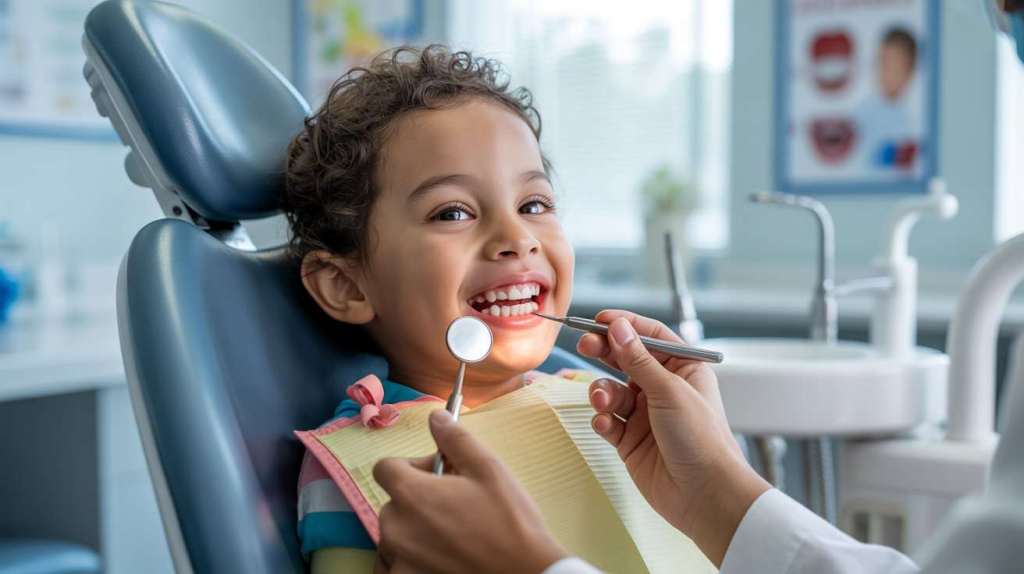
Childhood Oral Health plays a key role in a child’s comfort, speech, eating habits, and daily confidence. Parents guide most early health habits, and oral care starts at home long before a child visits a dentist. Clear routines, early checks, and correct food choices support strong teeth and gums. Oral Health in childhood also affects adult dental health, as early damage often continues into later years. This article explains each part of Childhood Oral care in simple steps so parents can act with confidence and clear understanding.
Understanding Childhood Oral Health
Childhood Oral Health refers to the condition of a child’s teeth, gums, tongue, and mouth from infancy through the teenage years. Healthy oral tissues help children chew food, speak clearly, and smile without pain. Oral Health problems in children often start early, even before the first tooth appears. Milk teeth hold space for adult teeth, guide jaw growth, and support facial structure. Damage to these teeth can cause pain, infection, and eating problems.
Parents should treat Childhood Oral care as part of daily hygiene, like bathing and hand washing. Regular brushing removes plaque, which carries bacteria that harm enamel and gums. Poor Oral Health can affect sleep, school focus, and mood. Early habits create patterns that often stay for life, so clear routines matter from the start.
The Role of Parents in Early Oral Care
Parents control most parts of a child’s daily routine, which places them at the centre of childhood oral care. Young children cannot brush their teeth effectively without support, so adults must guide brushing and check results. Parents also choose food and drinks, which directly affect oral health. Sweet snacks, juices, and frequent grazing increase the risk of tooth decay, making guidance at home essential. Support from a trusted local dental practice such as St Leonards Green Dental helps parents understand how daily habits influence long-term oral health outcomes for children.
Parents also decide when a child visits a dentist. Early dental visits help children see dental care as a normal part of life. Calm reassurance from parents reduces anxiety and builds confidence during appointments. Clear household rules around brushing routines and food choices help form habits that support strong oral health throughout childhood and into adulthood.
Oral Health From Birth to Age Two
Oral Health care begins before teeth appear. Parents should clean a baby’s gums with a clean, damp cloth after feeds. This practice removes milk residue and helps babies accept mouth care. When the first tooth appears, parents should switch to a small, soft brush with water.
At this stage, Childhood Oral care also includes feeding habits. Parents should avoid putting babies to bed with bottles that contain milk or juice. These drinks can pool around teeth and cause early decay. Dummies dipped in sweet substances also harm Oral Health and should not be used.
Oral Health in Toddlers and Preschool Children
Toddlers gain more teeth, and brushing becomes a daily task twice a day. Parents should use a smear of fluoride toothpaste and brush all surfaces. Children at this age may resist brushing, so parents should stay calm and firm. Turning brushing into a routine helps children accept it.
Diet also matters during this stage of Childhood Oral development. Frequent snacks increase acid attacks on teeth. Parents should offer water between meals and limit sugary foods to mealtimes. Oral Health checks should start during these years, even if no pain appears. Early visits help spot problems and guide parents on care methods.
Oral Health During Primary School Years
Children in primary school gain more independence but still need support. Parents should supervise brushing until a child can clean teeth well, which often happens around age seven or eight. Fluoride toothpaste should remain part of the routine. Brushing twice daily supports steady Oral Health during tooth changes.
At this stage, adult teeth begin to appear. These teeth must last a lifetime, so care becomes more important. Parents should encourage children to brush before school and before bed. Schools often allow water bottles, which support Oral Health by rinsing the mouth and reducing sugar exposure.
Diet and Its Impact on Childhood Oral Health
Food and drink choices strongly affect Childhood Oral Health. Sugar feeds bacteria that produce acid. This acid weakens enamel and causes decay. Sticky foods stay on teeth longer and raise risk. Parents should read labels and limit hidden sugars in snacks and drinks.
Healthy options support Oral Health and general health. Cheese, yoghurt, vegetables, and plain milk help protect teeth. Water remains the best drink between meals. Fruit juices, even natural ones, contain sugar and acid, so parents should limit them and offer them with meals only.
Common Childhood Oral Health Problems
Tooth decay remains the most common Oral Health issue in children. It often causes pain, infection, and missed school days. Early decay may not cause pain at first, so regular checks matter. Gum inflammation also appears in children who brush poorly. Red, swollen gums may bleed during brushing.
Thumb sucking and prolonged dummy use can affect tooth position and jaw growth. Parents should guide children to stop these habits at an early age. Teeth grinding may also appear, often during sleep. A dentist can assess these issues and advise parents on next steps.
The Importance of Regular Dental Visits
Dental visits support Childhood Oral Health by spotting issues early. Dentists check tooth growth, bite alignment, and cleaning habits. They also apply preventive treatments like fluoride varnish when needed. Early visits help children feel comfortable in the dental setting.
Parents should aim for regular check-ups based on professional advice. Waiting for pain often means damage already exists. Clear communication between parents and dental teams supports strong Oral Health outcomes. Parents should share concerns and follow advice given during visits.
Oral Health and Fluoride Use
Fluoride strengthens enamel and helps prevent decay. In Childhood Oral care, fluoride toothpaste plays a key role. Parents should choose age-appropriate toothpaste and control the amount used. Young children may swallow toothpaste, so supervision matters.
Fluoride also appears in some water supplies. Parents can ask local providers or dentists about fluoride levels. Balanced fluoride use supports Oral Health without risk when parents follow guidance. This simple measure helps protect teeth during all stages of childhood.
Teaching Children Good Oral Health Habits
Children learn through repetition and example. Parents who brush their own teeth regularly show children that Oral Health matters. Shared brushing times help reinforce routines. Praise and clear expectations support habit formation.
Parents should explain brushing in simple terms. Clear reasons, such as keeping teeth strong and pain-free, help children understand. Charts or timers may help younger children stay focused. These methods support steady Childhood Oral care without stress.
Oral Health for Children With Special Needs
Some children need extra support with Oral Health. Physical, learning, or sensory challenges may make brushing difficult. Parents may need adapted tools, such as larger handles or electric brushes. Short brushing sessions with breaks can help children cope.
Dental visits may also need planning. Parents should inform dental teams about specific needs so care remains calm and effective. With clear support, children with special needs can maintain good Oral Health and comfort.
The Link Between Oral Health and General Health
Oral Health connects to overall health. Infections in the mouth can spread and affect other parts of the body. Pain from poor Oral Health can affect eating, sleep, and growth. Children with dental pain may avoid food, which affects nutrition.
Good Childhood Oral care supports speech development and clear pronunciation. Healthy teeth help children feel confident in social settings. These links show that Oral Health forms part of total child health, not a separate issue.
Preparing for Teenage Oral Health Changes
As children grow into teenagers, Oral Health needs change. Hormonal shifts can affect gums, making them more sensitive. Teenagers may also consume more sugary drinks and snacks. Parents should continue to guide choices and remind teens about brushing and dental visits.
Orthodontic treatment often starts during these years. Braces require extra cleaning to prevent plaque build-up. Parents should support teens with the right tools and clear routines. Continued focus on Childhood Oral care helps protect adult teeth during this stage.
Building Lifelong Oral Health Awareness
Strong Oral Health habits formed in childhood often last into adult life. Parents shape these habits through daily actions and clear guidance. Simple routines, regular checks, and balanced diets form the base of good care.
Childhood Oral Health affects comfort, confidence, and general health. With steady support, parents can help children grow with strong teeth and healthy gums. Clear action today supports long-term Oral Health for the future.
 Every Corner
Leave a comment