
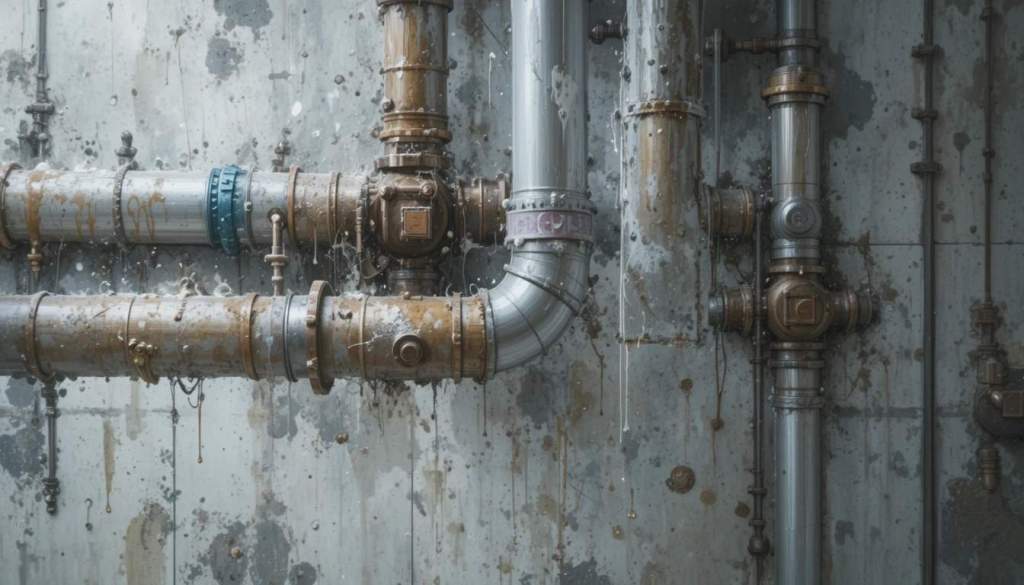
Singapore homes face a climate with high moisture in the air across most months of the year. This condition changes how pipes and fixtures perform over time. Heat and moisture act together and place steady pressure on plumbing systems. Homeowners often notice leaks, stains, corrosion, or weak water flow without clear warning. These issues connect directly to Singapore’s Humidity and its daily impact on Pipes and Fixtures inside Singapore Homes.
This article explains how humidity affects plumbing systems, why damage happens faster, and what signs homeowners should watch.
Understanding Singapore’s Humidity Levels
Singapore has a tropical climate. The air holds high moisture levels all year. Average humidity often stays above 70 percent and rises higher during rainy periods. Warm air holds more water vapor, which creates constant damp conditions inside and outside buildings.
Singapore Homes trap this moisture in walls, ceilings, and utility areas. Bathrooms, kitchens, and service yards stay damp for long periods. Pipes and Fixtures sit inside these spaces and stay in contact with moist air every day. This exposure speeds up wear and reduces system life.
Humidity also affects temperature balance. When cool water flows through pipes, the surface temperature drops. Warm humid air then meets the cold pipe surface. Water vapor turns into liquid droplets. This process is condensation, and it happens often in humid regions.
How Moisture Interacts With Pipes and Fixtures
Pipes and fixtures rely on stable conditions for long-term use, but Singapore’s humidity disrupts this balance. Moisture settles on metal surfaces and remains there for extended periods, which leads to gradual physical and chemical changes. In environments like this, property owners often consult PS Plumber Singapore to better understand how persistent humidity accelerates pipe wear and fixture damage across homes and commercial buildings.
Metal pipes react with water and oxygen, which leads to rust formation. Plastic pipes do not rust, but moisture still affects their joints, seals, and support brackets. Rubber washers absorb moisture, swell, and lose their original shape. Sealants weaken over time and begin to crack, increasing the risk of leaks.
Fixtures such as taps, shower heads, and valves also face long-term stress. Humid air enters small gaps and settles inside moving components. Mineral deposits form faster in damp conditions, which restricts water flow and places extra strain on fixtures during daily use.
Humidity also supports mold growth. Mold spreads on damp surfaces near pipes. It damages nearby materials and creates odor issues. While mold does not damage metal directly, it signals long-term moisture problems around plumbing systems.
Condensation and Its Effects on Plumbing Systems
Condensation forms when warm air touches a cold surface. In Singapore Homes, cold water pipes often run through warm spaces. This setup creates frequent condensation.
Water droplets collect on pipe surfaces. These droplets drip onto floors, cabinets, and walls. Over time, this causes water stains and wood damage. Cabinets under sinks often swell or rot due to this hidden moisture.
Condensation also leads to corrosion. Constant moisture contact removes protective coatings on metal pipes. Once exposed, the metal reacts faster with air and water. Small rust spots grow into leaks.
Fixtures also suffer from condensation. Cold metal surfaces inside mixers and valves attract moisture. Internal parts corrode even when external surfaces look clean. This leads to stiff handles and uneven water flow.
Corrosion Risks in High-Humidity Conditions
Corrosion remains one of the biggest threats to Pipes and Fixtures in Singapore Homes. High humidity speeds up oxidation. Even stainless steel shows signs of surface corrosion over time.
Galvanized steel pipes lose their protective zinc layer faster in moist air. Once this layer wears away, rust spreads inside the pipe. This reduces water pressure and affects water quality.
Copper pipes resist corrosion better but still face issues. Moisture combined with airborne pollutants forms acidic conditions. This leads to pitting corrosion, which creates small holes. These holes cause slow leaks that often go unnoticed.
Fixtures made from mixed metals face added risk. When different metals contact each other in moist conditions, galvanic corrosion occurs. One metal degrades faster and weakens the fixture.
Impact on Pipe Joints, Seals, and Fittings
Pipe joints and seals rely on tight contact and stable material shape. Singapore’s Humidity affects these components directly.
Rubber and silicone seals absorb moisture from the air. This absorption causes swelling. Over time, seals lose elasticity and fail to return to original shape. Gaps form at joints and allow leaks.
Threaded fittings also suffer. Moisture seeps into threads and causes rust or mineral buildup. These changes reduce grip strength. Joints loosen and leak under pressure.
Compression fittings depend on precise alignment. Humidity changes material expansion rates. Small shifts weaken compression strength and cause drips at connection points.
Effects on Fixtures in Bathrooms and Kitchens
Bathrooms and kitchens experience the highest moisture levels in Singapore Homes. Steam from showers and cooking raises humidity even more.
Shower heads clog faster due to mineral deposits. Moist air slows drying and allows buildup to harden. Water spray becomes uneven and pressure drops.
Taps develop stains and corrosion marks. Moisture settles around handles and spouts. This leads to discoloration and rough surfaces.
Valves inside mixers corrode and stick. Users notice difficulty adjusting water temperature or flow. These issues often appear sooner in humid climates.
Under-sink fixtures also face damage. Trapped moisture under cabinets creates a damp zone. Fixtures corrode faster in these enclosed spaces.
Hidden Damage Inside Walls and Ceilings
Many pipes run inside walls and ceilings. These hidden areas often trap moisture due to poor airflow. Singapore’s Humidity increases the risk of unseen damage.
Condensation forms on concealed pipes and drips onto building materials. Drywall absorbs moisture and weakens. Paint peels and stains appear on surfaces.
Metal supports and brackets rust. As they weaken, pipes shift and strain joints. This leads to cracks and leaks.
Mold growth inside walls also signals plumbing moisture. Mold spreads where condensation stays for long periods. This growth damages surrounding materials and affects indoor air quality.
How Humidity Affects Water Pressure and Flow
Moisture-related damage changes how water moves through pipes. Corrosion narrows pipe interiors. Mineral buildup reduces effective diameter.
As flow space shrinks, water pressure drops. Users notice weak taps and slow filling times. Pumps work harder to maintain flow and wear out faster.
Leaks caused by seal failure also affect pressure. Small leaks reduce system efficiency and raise water bills.
Fixtures with corroded internal parts fail to regulate flow properly. Sudden pressure changes occur during use. This stresses pipes and increases failure risk.
Long-Term Cost Impact on Singapore Homes
Humidity-related damage increases maintenance costs. Pipes and Fixtures fail earlier than expected. Repairs become frequent and disruptive.
Hidden leaks cause structural damage. Repairing walls and cabinets adds expense beyond plumbing work. Mold cleanup also raises costs.
Water waste from leaks increases utility bills. Reduced efficiency forces systems to work harder, which shortens lifespan.
Replacing corroded fixtures costs more than preventive care. Homeowners often replace entire sections instead of small parts due to advanced damage.
Preventive Measures to Reduce Humidity Damage
Managing moisture helps protect Pipes and Fixtures. Ventilation plays a key role. Exhaust fans reduce damp air in bathrooms and kitchens.
Insulating cold water pipes reduces condensation. Insulation keeps surface temperature closer to room air temperature. This limits water droplet formation.
Regular inspection helps detect early signs of corrosion and leaks. Checking under sinks and near exposed pipes prevents hidden damage.
Using moisture-resistant materials also helps. PVC and PEX pipes resist corrosion better than metal. High-quality fixtures with protective coatings last longer in humid conditions.
Dehumidifiers reduce indoor moisture levels. Lower humidity slows corrosion and protects seals and joints.
Conclusion
Singapore’s Humidity places constant pressure on Pipes and Fixtures inside Singapore Homes. Moist air causes condensation, corrosion, seal failure, and hidden damage. These effects reduce system life and increase repair costs.
Understanding how humidity interacts with plumbing systems helps homeowners act early. Simple steps like ventilation, insulation, and regular checks reduce damage risk. With proper care, Pipes and Fixtures perform better even in high-humidity environments.
 Every Corner
Leave a comment