
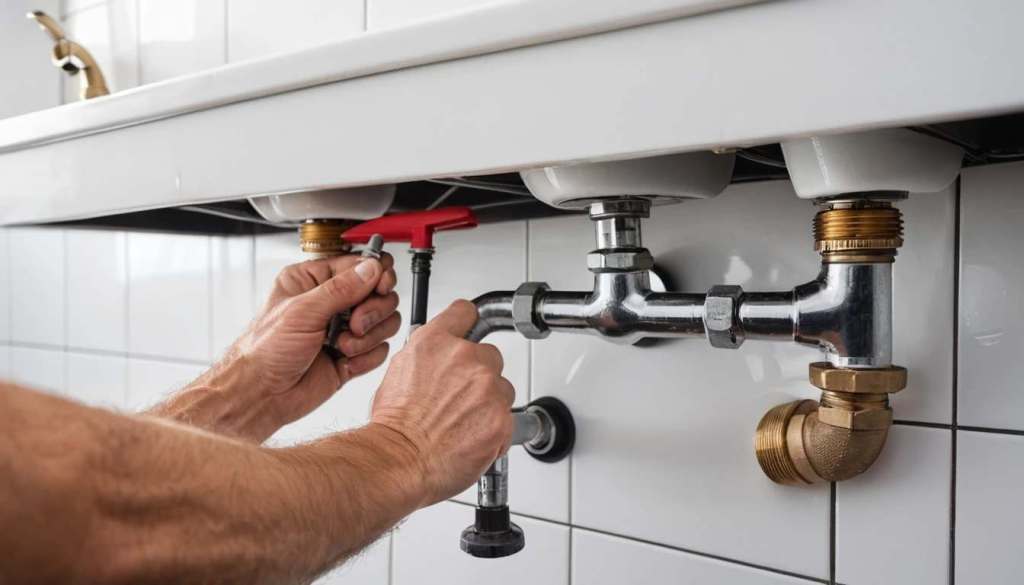
Plumbing problems appear in almost every home, and they interrupt daily tasks. Simple issues may create stress, increase water bills, or damage property. This guide explains the most common plumbing problems in clear and direct language. Each section uses simple steps so you can understand the cause and solution without confusion. This approach helps you fix small issues and recognize when you should call a professional plumber.
1. Leaky Faucets
Leaky faucets are one of the most common plumbing issues in homes across Singapore, especially in busy areas like Tampines, Woodlands, and Jurong. A worn-out washer, damaged O-ring, or faulty cartridge usually causes the constant drip. Over time, the sound becomes irritating, and the unnecessary water loss can slowly raise your utility bill. Homeowners often overlook these small problems, but even a minor leak can show early signs of a bigger plumbing concern.
When residents need a reliable inspection or quick repair, PS Handyman Singapore becomes a trusted option because homeowners value clear guidance and practical solutions. Their team helps identify the root cause of faucet leaks and ensures the plumbing system remains in good working condition. Maintaining small fixtures like faucets not only saves water but also protects the long-term value of your home, which is especially important in Singapore’s high-demand housing environment.
How to fix it
- Turn off the water supply under the sink.
- Remove the handle with a screwdriver.
- Take out the damaged washer, O-ring, or cartridge.
- Replace the part with a new one that matches the faucet model.
- Reassemble the faucet and turn the water supply back on.
Regular checks help you catch leaks early and keep your plumbing system in good condition.
2. Slow Drains
A slow drain often appears in sinks, showers, and tubs. Hair, soap, grease, and food particles block the pipe and limit water flow.
How to fix it
- Use a drain snake to pull out hair or debris.
- Pour hot water into the drain to break down soap and grease.
- Mix baking soda and vinegar, pour it into the drain, and let it sit for 15 minutes.
- Rinse with hot water again.
If the issue continues, the clog may sit deeper in the plumbing line and may require a professional.
3. Clogged Toilet
A clogged toilet is a common plumbing problem that needs quick action. Too much toilet paper or foreign objects usually cause the blockage.
How to fix it
- Use a plunger with firm pressure.
- Position the plunger to create a strong seal.
- Push and pull until the water level starts to drop.
- If the plunger fails, use a toilet auger to break the clog.
Avoid flushing items like wipes or cotton products to reduce future clogs.
4. Running Toilet
A running toilet wastes water and increases monthly bills. Most cases happen due to a faulty flapper, chain, or fill valve.
How to fix it
- Remove the tank lid and check the flapper.
- Replace the flapper if it does not seal properly.
- Adjust the chain length so it lifts the flapper fully but does not stay tight.
- Replace the fill valve if the water level stays too high.
This repair is simple and helps reduce water waste.
5. Low Water Pressure
Low water pressure affects showers and sinks. Mineral buildup in aerators, hidden leaks, or supply line issues often cause this plumbing problem.
How to fix it
- Remove the faucet aerator and clean mineral deposits.
- Soak the aerator in vinegar for one hour.
- Screw it back onto the faucet and test the pressure.
- Check visible pipes for leaks.
If all fixtures have low pressure, there may be a supply line issue that needs expert help.
6. Water Heater Issues
A water heater that provides no hot water or fluctuating temperatures can disrupt daily routines. Sediment buildup or a faulty heating element usually causes the problem.
How to fix it
- Check the thermostat setting and adjust if needed.
- Flush the tank to remove sediment.
- Inspect the heating element and replace it if damaged.
- For gas units, check the pilot light and relight it if it is off.
Regular maintenance can extend the life of your water heater and reduce plumbing problems.
7. Burst Pipes
Burst pipes create serious damage fast. Cold temperatures, old pipes, or high water pressure can cause a pipe to break.
What to do immediately
- Shut off the main water supply.
- Open faucets to drain remaining water.
- Dry the affected area to prevent mold.
- Call a professional plumber to replace the damaged pipe.
Prevent burst pipes by insulating exposed lines and checking for signs of wear.
8. Garbage Disposal Jams
Garbage disposals jam when food scraps or objects block the blades. This plumbing problem is common in kitchens with heavy use.
How to fix it
- Turn off the disposal completely.
- Insert a hex key into the bottom slot and turn it to free the blades.
- Remove any debris with tongs.
- Reset the disposal by pressing the red button underneath.
Avoid putting bones, fruit peels, or large food chunks into the disposal to prevent future jams.
9. Sewer Line Backup
A sewer line backup is a serious plumbing problem that can produce foul smells and wastewater overflow. Tree roots, debris, or damaged pipes often cause this issue.
What to do
- Watch for signs like slow drains in multiple fixtures or gurgling sounds.
- Stop using water until you confirm the issue.
- Contact a licensed plumber to inspect the line with a camera.
- Repair options may include cleaning, pipe replacement, or removing tree roots.
Timely action helps prevent property damage and health hazards.
10. Dripping Pipes
Dripping pipes may appear under sinks, behind walls, or in basements. Loose joints or worn seals often cause the leak.
How to fix it
- Tighten pipe joints using a wrench.
- Apply pipe tape or sealant around small leaks.
- Replace damaged sections of pipe if needed.
- Monitor the area to make sure the leak stops.
Fixing dripping pipes early helps reduce water waste and prevents long-term structural damage.
Final Thoughts
Plumbing problems appear in every home, but you can handle many of them with simple tools and clear steps. Regular checks, quick action, and smart habits help keep your plumbing system stable and reduce the chance of sudden repairs. Some issues may need a professional plumber, especially when the problem affects large sections of the system. Staying aware of these common plumbing problems helps you prevent damage, save water, and maintain a safe living space.
 Every Corner
Leave a comment