
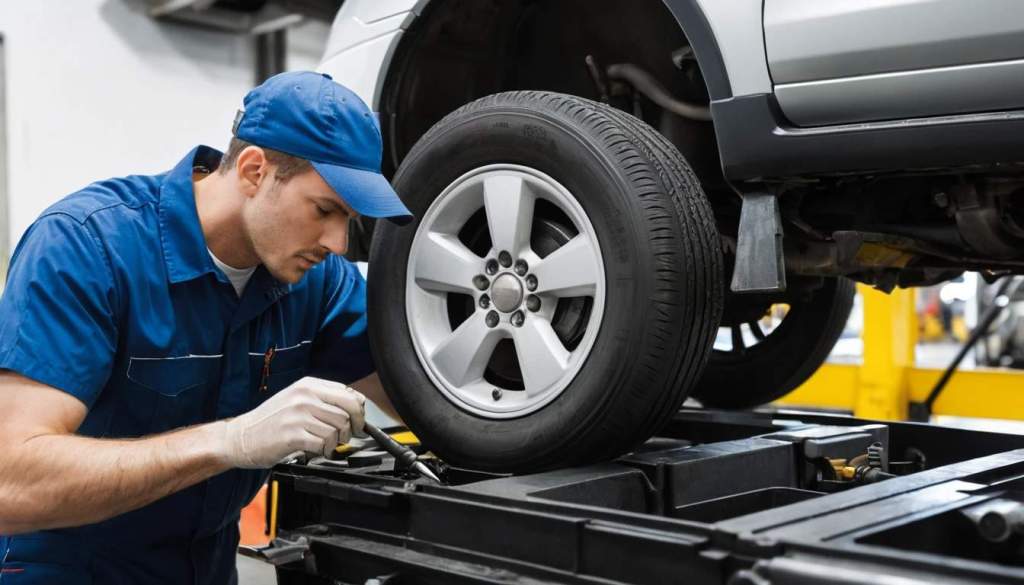
Preventive maintenance plays a central role in keeping a car reliable and safe. Every driver wants their vehicle to last longer, perform smoothly, and stay in good condition. Regular maintenance helps identify small issues before they become serious problems. It also improves driving comfort, especially in systems like the car suspension, which affects both safety and performance. Understanding how preventive maintenance supports vehicle longevity allows drivers to save money, extend the lifespan of key parts, and maintain consistent driving quality.
Understanding Preventive Maintenance
Preventive maintenance means performing regular checks and servicing at set intervals, even when the vehicle shows no visible problems. It focuses on inspecting, cleaning, adjusting, and replacing parts before they fail. This proactive method keeps the car running efficiently and reduces the risk of costly repairs.
A well-planned maintenance schedule includes oil changes, tire rotation, brake checks, suspension inspections, and fluid replacements. These tasks keep the vehicle’s mechanical systems balanced and functional. Without consistent attention, parts begin to wear faster, leading to breakdowns that shorten the vehicle’s overall lifespan.
How Preventive Maintenance Improves Vehicle Longevity
Early Detection of Problems
Routine inspections help detect small issues early. Mechanics can find leaks, cracks, or worn parts that might otherwise go unnoticed. Fixing these problems immediately prevents them from damaging other systems. For example, a small oil leak, if ignored, can affect the engine and lead to overheating or loss of power.
Reduced Wear and Tear
Every part in a car works together under continuous stress. Fluids such as oil, coolant, and brake fluid reduce friction and heat. When replaced regularly, they help prevent excessive wear. Clean filters keep dust and dirt out of sensitive components, ensuring smoother operation. This care minimizes stress on mechanical parts, directly improving vehicle longevity.
Improved Engine Performance
An engine in good condition consumes less fuel and runs more efficiently. Regular oil changes, spark plug replacements, and air filter cleaning keep the engine breathing and lubricated. These small steps reduce engine strain and extend its working life. Preventive maintenance ensures that every part of the engine operates within its designed limits, improving both power output and fuel efficiency.
Preservation of Car Suspension
Car suspension plays a crucial role in maintaining driving comfort, stability, and precise handling. It absorbs shocks from uneven roads and ensures that tires maintain consistent contact with the surface for optimal control. Over time, vital components such as shocks, struts, and control arms gradually wear out due to regular use. When these parts deteriorate, the vehicle can experience uneven tire wear, vibrations, and unpredictable steering responses. To avoid these issues, it’s important to stay proactive with scheduled inspections and quality maintenance that targets each component of the suspension system.
When it comes to ensuring smooth performance and lasting reliability, Torrance Motors stands out as a trusted name in automotive care. Their skilled technicians specialize in diagnosing and repairing complex suspension systems using advanced tools and precision techniques. By checking for leaks in shock absorbers, cracks in bushings, or loosened joints, they help drivers restore balance, control, and ride comfort. Regular maintenance from a reliable service center like this not only prevents costly future repairs but also extends the overall life and safety of your vehicle.
Better Tire Health
Tires play a direct role in how long a vehicle lasts. Preventive maintenance involves rotating tires, checking alignment, and maintaining correct air pressure. Balanced and aligned tires reduce stress on the suspension system and steering components. Uneven wear from neglected maintenance can damage both tires and other mechanical parts.
Properly maintained tires also improve fuel economy and handling, creating a smoother and safer driving experience. Consistent checks ensure that the car performs predictably on all types of roads.
Economic Benefits of Preventive Maintenance
Lower Repair Costs
Regular maintenance reduces the chance of sudden breakdowns. Small repairs are cheaper than major replacements. For example, replacing brake pads on time prevents damage to rotors, which are more expensive to fix. Similarly, maintaining suspension parts prevents costly damage to axles and tires.
Higher Resale Value
A vehicle with complete maintenance records has a higher resale value. Buyers trust cars that show consistent care. Preventive maintenance demonstrates that the owner has kept the vehicle in good condition, making it more appealing in the used car market.
Improved Fuel Efficiency
Clean filters, proper lubrication, and correct tire pressure all contribute to better fuel economy. When parts move efficiently and the engine runs smoothly, the car uses less fuel. Over time, these savings make a clear difference in operating costs.
Preventive Maintenance Schedule
Daily or Weekly Checks
Drivers should perform basic checks frequently. These include monitoring oil levels, coolant, and tire pressure. Listening for unusual noises or vibrations can also help catch early signs of trouble, especially in the suspension and brakes.
Monthly Maintenance
Each month, inspect wiper blades, lights, and fluid levels. Look for leaks under the car and ensure all dashboard warning lights function correctly. A quick under-the-hood inspection can reveal loose belts or dirty filters.
Quarterly or Biannual Maintenance
Every few months, schedule professional inspections. This includes oil changes, tire rotations, brake checks, and suspension assessments. Mechanics can identify issues that might not be visible to the driver.
Annual Maintenance
Once a year, a full vehicle inspection is essential. This involves checking the engine, transmission, car suspension, electrical systems, and exhaust. Replacing spark plugs, filters, and fluids during this period keeps the vehicle ready for long-term use.
Signs That Indicate Maintenance Is Needed
Even with a routine schedule, drivers should stay alert to changes in vehicle behavior. Common warning signs include:
- Vibrations or pulling during driving
- Uneven tire wear
- Reduced braking response
- Noises when going over bumps
- Difficulty steering or loss of smooth handling
These symptoms often relate to issues in the suspension or other critical systems. Addressing them quickly helps avoid expensive repairs later.
Role of Suspension Maintenance in Vehicle Longevity
The suspension system connects the wheels to the car’s frame. It manages how the car handles impacts, steering, and braking. Preventive maintenance of the suspension ensures stable driving and protects other systems.
When suspension parts wear out, they can affect alignment and cause other components to fail sooner. Replacing shocks, struts, or bushings at the right time keeps the vehicle balanced and prevents unnecessary strain on the chassis and tires.
A well-maintained suspension also supports even weight distribution. This means every part of the car shares load stress equally, reducing long-term damage and extending the lifespan of the entire vehicle.
Safety and Comfort Benefits
Preventive maintenance improves both safety and comfort. Drivers experience smoother rides and better control. Reliable suspension and braking systems reduce the risk of accidents. Properly serviced vehicles stop more effectively, respond faster, and handle corners with greater stability.
Passengers benefit from a comfortable and quiet ride. A maintained suspension minimizes bumps and vibrations, improving the driving experience for everyone.
Long-Term Impact of Preventive Maintenance
The long-term effect of consistent maintenance is clear: fewer breakdowns, lower costs, and extended vehicle longevity. A well-cared-for vehicle can easily exceed its expected lifespan. Engines, transmissions, and suspensions last longer when maintained on time.
This habit also builds trust in the car’s performance. Drivers gain confidence knowing their vehicle is safe, efficient, and ready for long trips. Preventive maintenance turns car ownership into a cost-effective and reliable experience.
Conclusion
Preventive maintenance is essential for vehicle longevity. It ensures the car runs efficiently, stays safe, and remains comfortable. Regular inspections and timely replacements of parts, especially in the car suspension, protect the vehicle from unnecessary damage. By staying consistent with maintenance schedules, drivers save money, extend the life of their car, and enjoy dependable performance every day.
A vehicle that receives preventive maintenance will always outlast one that does not. The key to longevity is simple: care for the car before problems appear. This practice ensures a longer, safer, and more efficient driving life.
 Every Corner
Leave a comment