
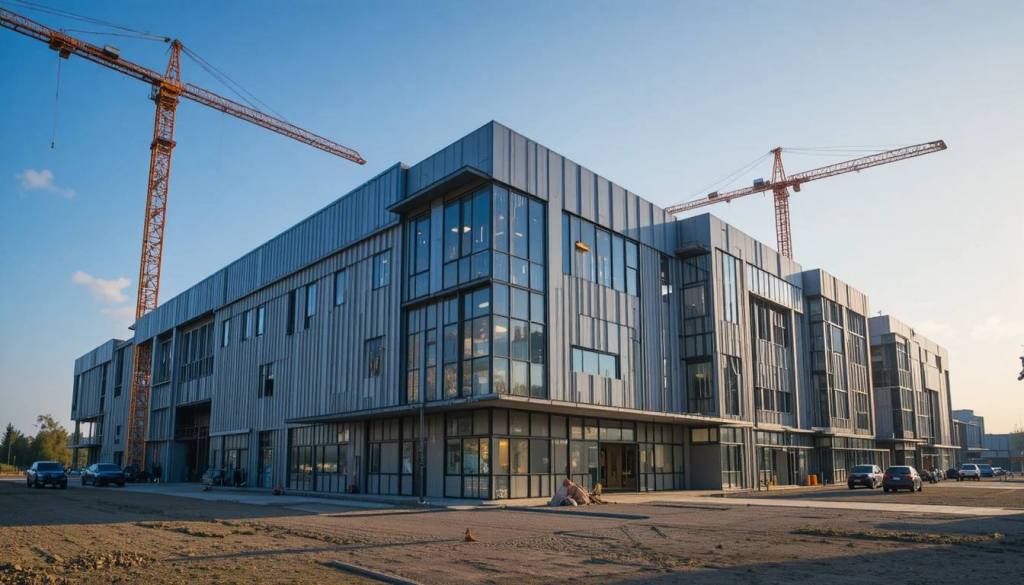
Modular construction is transforming the way industries design, build, and manage engineering projects. In Industrial Engineering and Mechanical Engineering, this method is gaining strong attention for its efficiency, precision, and adaptability. As industries face rising demands for faster project delivery and cost-effective solutions, modular construction offers a practical path forward. This article explains why modular construction is becoming a vital part of Industrial Engineering and how it supports innovation in Mechanical Engineering.
What Is Modular Construction
Modular construction is a building process that involves creating sections, or modules, in a controlled factory setting. These modules are then transported to a project site and assembled into a complete structure. Unlike traditional construction, which takes place entirely on-site, modular methods separate production and assembly. This approach reduces delays caused by weather, site access, or workforce shortages.
In Industrial Engineering, modular construction applies systematic planning and process optimisation to improve building efficiency. It integrates Mechanical Engineering principles to ensure structural stability, safety, and performance consistency. Each module is built with precise measurements and undergoes rigorous testing before installation.
The Growth of Modular Construction in Industrial Engineering
Industrial Engineering focuses on improving production systems and workflows. Modular construction aligns with this focus by streamlining the building process. Industries such as oil and gas, manufacturing, and energy are adopting modular construction to meet deadlines and manage costs more effectively.
The demand for modular solutions has grown due to several factors:
- Reduced project timelines
- Improved quality control
- Increased flexibility in design and expansion
- Lower waste and environmental impact
As industries adopt digital tools such as Building Information Modelling (BIM) and automation, modular construction integrates seamlessly into data-driven project management systems. This combination enhances accuracy, scheduling, and cost prediction.
Efficiency and Time Savings
One of the most significant benefits of modular construction is its time efficiency. Since modules are produced in controlled factory environments, site preparation and module fabrication can happen simultaneously. This parallel process can reduce the total project duration by up to 50 percent compared to conventional construction methods. Factories operate under standardised procedures and consistent conditions, which improves productivity, minimises delays, and ensures higher quality control. A trusted Mechanical Engineering company such as Radley Engineering plays a vital role in this process, ensuring that all mechanical systems, including piping, ventilation, and electrical installations—are accurately integrated within the modules before they leave the factory.
The involvement of an experienced Mechanical Engineering company also simplifies on-site assembly and reduces the need for costly rework. By incorporating mechanical systems during the module fabrication stage, potential installation errors are minimised, and the coordination between structural, electrical, and mechanical work becomes seamless. This level of integration not only boosts efficiency but also supports long-term project reliability and safety. With over 50 years of experience and a skilled workforce of more than 550 tradespeople, Radley Engineering demonstrates how expert mechanical planning can transform modular construction into a precise, streamlined, and cost-effective building solution.
Cost Control and Resource Management
Modular construction supports better cost control across all project stages. Industrial Engineers use detailed planning and lean manufacturing principles to minimise material waste and optimise labour allocation. Factory production reduces unexpected expenses linked to weather or material delays.
Additionally, the controlled environment allows for more effective use of raw materials. Offcuts and leftovers can be recycled more efficiently than on open sites. This results in measurable cost savings and supports sustainable engineering practices.
Quality and Safety Improvement
Quality control is a major focus in Industrial Engineering and Mechanical Engineering. Modular construction improves quality assurance because each module undergoes standard testing during production. Automated tools measure structural integrity, alignment, and system performance.
Factories maintain strict compliance with safety standards. Workers operate in safer, more predictable environments, reducing on-site accident risks. Once modules arrive at the project site, assembly follows a clear, well-documented process, further minimising errors.
Flexibility and Scalability
Modular construction offers strong flexibility for future expansion. Industries can add or replace modules without large-scale site disruption. This advantage is valuable for sectors such as manufacturing, where production facilities often need upgrades to accommodate new technology or increased demand.
In Mechanical Engineering, modular design simplifies system updates. Components such as cooling units, piping systems, and conveyors can be upgraded or replaced without halting the full operation. This modular approach ensures long-term adaptability.
Integration with Mechanical Engineering Systems
Mechanical Engineering is central to modular construction, providing the technical base for designing systems that fit within pre-built modules. Heating, ventilation, and air conditioning (HVAC) systems, as well as fluid and gas transport mechanisms, must align precisely within the structural design.
Engineers use simulation tools and digital modelling to ensure system compatibility. These tools help identify possible conflicts before production begins, improving project accuracy and reducing cost. The use of modular mechanical systems also supports faster maintenance and lower operational downtime.
Sustainability and Environmental Benefits
Sustainability is an important factor in modern Industrial Engineering. Modular construction supports sustainability through controlled material use, reduced site disruption, and lower energy consumption. Since most work occurs in factories, there is less noise, waste, and pollution on construction sites.
Factories also allow the use of recycled materials and energy-efficient production methods. Transportation of modules is planned efficiently to reduce fuel consumption. In addition, modular buildings often have better thermal performance due to precise manufacturing, which reduces energy usage during operation.
Technological Advancements Driving Modular Construction
The rise of digital technologies strengthens the role of modular construction in Industrial and Mechanical Engineering. Tools such as BIM, 3D printing, and automation make it easier to design, test, and produce complex structures.
BIM provides a shared platform where architects, engineers, and project managers can collaborate. It creates a digital version of the entire project, allowing engineers to test assembly sequences, detect clashes, and optimise designs before production. Automation enhances precision, ensuring consistent results across all modules.
These technologies support Industrial Engineers in analysing performance data and improving process efficiency. Mechanical Engineers benefit from enhanced design accuracy and improved equipment integration.
Challenges in Adoption
Despite its advantages, modular construction faces some challenges. One issue is the transportation of large modules, which requires specialised equipment and route planning. Another challenge is the need for precise coordination between design, manufacturing, and site assembly teams.
In some regions, building codes and regulations are still designed for traditional construction methods. Industrial Engineers must work with authorities to update standards and demonstrate the reliability of modular systems. Education and training are also necessary to build a skilled workforce capable of managing modular projects effectively.
The Future of Industrial and Mechanical Engineering Through Modular Construction
The connection between modular construction, Industrial Engineering, and Mechanical Engineering is growing stronger. As automation, data analysis, and sustainability become standard expectations, modular methods offer an efficient solution that fits these trends.
Future developments will likely focus on:
- Greater use of renewable materials
- Integration of smart sensors for monitoring performance
- Expansion of modular production in energy, transport, and manufacturing sectors
- Increased collaboration between industrial and mechanical engineers
These trends show that modular construction is not just an alternative method but a core part of future engineering strategies. It provides measurable benefits in efficiency, safety, and adaptability.
Conclusion
Modular construction represents a clear shift in Industrial Engineering and Mechanical Engineering. It simplifies complex projects, reduces costs, and supports sustainable growth. By combining precise mechanical systems with industrial efficiency, modular construction delivers faster, safer, and more flexible solutions.
As industries continue to demand higher productivity and environmental responsibility, modular construction will play a central role in shaping the future of engineering. Its structured approach, combined with modern technology, ensures reliable results and steady progress in industrial innovation.
 Every Corner
Leave a comment