
Tactical First Aid is no longer a skill limited to soldiers, police, or emergency responders. Today, civilians face situations where knowing how to manage a Medical Emergency can save lives before professional help arrives. Understanding Tactical First Aid provides the knowledge and confidence to act quickly in critical situations such as accidents, natural disasters, or violent incidents. This article explains why every civilian should learn Tactical First Aid, how it differs from standard first aid, and the real-life benefits of mastering these lifesaving techniques.
Understanding Tactical First Aid
Tactical First Aid is an advanced form of emergency care that focuses on saving lives in high-pressure or unsafe environments. Unlike standard first aid, which assumes a stable setting, Tactical First Aid teaches how to provide medical support when danger or chaos is still present. It was originally developed for military use, but its principles apply to civilians as well.
The key focus of Tactical First Aid is to stop severe bleeding, manage airway problems, and stabilize injuries long enough for the victim to reach medical professionals. In many Medical Emergencies, the first few minutes are the most important. This is where Tactical First Aid can make the difference between life and death.
The Growing Need for Civilian Training
Modern society faces increasing risks from accidents, natural disasters, and violent events. Civilians are often the first witnesses when emergencies occur. Professional help may take several minutes to arrive, and those moments can decide a person’s survival.
Learning Tactical First Aid prepares civilians to take effective action. It allows them to respond to gunshot wounds, car crashes, or severe bleeding before paramedics reach the scene. Every second counts in a Medical Emergency, and by applying Tactical First Aid skills, ordinary people can prevent tragedy.
The Difference Between Standard and Tactical First Aid
While both types of first aid aim to save lives, their methods and priorities differ greatly. Standard first aid is typically performed in a controlled, safe setting where the responder can focus entirely on the patient’s condition. It emphasizes stabilization, comfort, and preparation for medical transport without immediate danger from the environment. In contrast, tactical medical care must balance life-saving actions with situational awareness, often in active or high-risk environments where every second counts.
In such high-stress conditions, carrying a Tactical Trauma IFAK becomes essential for rapid response and survival. This compact kit is specifically designed for combat, law enforcement, and emergency responders who operate under threat. A well-equipped Tactical Trauma IFAK typically includes re-engineered tools such as metal tourniquets, chest seals, and needle decompression kits that allow for immediate, effective intervention in the field. These advanced tools enable responders to control bleeding, treat chest injuries, and stabilize trauma victims before professional medical help arrives, a critical difference that defines tactical medicine.
In Tactical First Aid, the steps follow a simple order:
- Ensure safety before providing care.
- Stop life-threatening bleeding.
- Manage breathing and circulation.
- Prepare the patient for evacuation.
This order helps responders stay calm and efficient, even in chaotic environments. For civilians, this approach provides a structured way to manage severe Medical Emergencies with limited resources.
Life-Saving Skills Taught in Tactical First Aid
Bleeding Control
Severe bleeding is one of the leading causes of preventable death. Tactical First Aid teaches the proper use of tourniquets, pressure dressings, and hemostatic agents to stop bleeding quickly. Civilians trained in these techniques can control bleeding before it becomes fatal.
Airway and Breathing Management
Blockages or breathing problems can occur after trauma. Tactical First Aid training includes methods to clear airways, place victims in recovery positions, and recognize signs of respiratory distress. Learning these techniques ensures that oxygen continues to reach vital organs during a Medical Emergency.
Wound and Fracture Stabilization
In many situations, broken bones and deep wounds need to be stabilized before evacuation. Tactical First Aid covers how to splint limbs, dress wounds, and reduce the risk of infection. These actions prevent further damage while waiting for professional care.
Evacuation and Communication
Evacuation is a vital part of Tactical First Aid. Civilians learn how to move injured individuals safely and communicate essential details to first responders. Quick, clear communication ensures emergency teams understand what has been done and what the victim needs next.
Benefits of Learning Tactical First Aid
Confidence During Crisis
Training builds confidence. When civilians know what to do in a Medical Emergency, panic decreases, and action increases. This confidence not only helps the victim but also calms others at the scene.
Faster Response Time
Every second matters in trauma care. Tactical First Aid training teaches civilians how to act immediately without waiting for help. A quick response often improves survival rates, especially in severe bleeding or airway obstruction cases.
Community Safety
When more civilians are trained in Tactical First Aid, the overall safety of a community improves. In neighborhoods, schools, and workplaces, trained individuals can offer assistance before professionals arrive. This shared preparedness builds stronger, safer communities.
Better Support for First Responders
Civilians with Tactical First Aid knowledge can provide valuable support to paramedics and police. By controlling bleeding or stabilizing injuries early, they allow professionals to focus on advanced treatment upon arrival. This teamwork can save lives in mass casualty situations.
Real-World Scenarios Where Tactical First Aid Saves Lives
Traffic Accidents
Car crashes often cause serious bleeding or fractures. A bystander trained in Tactical First Aid can apply a tourniquet or stabilize an injured person until emergency teams reach the location.
Natural Disasters
Earthquakes, floods, or tornadoes often delay medical services. Civilians with Tactical First Aid skills can treat wounds, stop bleeding, and provide care during long waits for rescue.
Public Violence or Terror Incidents
In violent incidents, victims may suffer from gunshot or blast injuries. Tactical First Aid training helps civilians treat life-threatening wounds while staying aware of their surroundings for safety.
Workplace and Home Emergencies
Accidents at work or home, such as deep cuts or falls, can quickly turn serious. Knowing Tactical First Aid allows immediate action, reducing the risk of fatal outcomes before medical help arrives.
How to Get Trained in Tactical First Aid
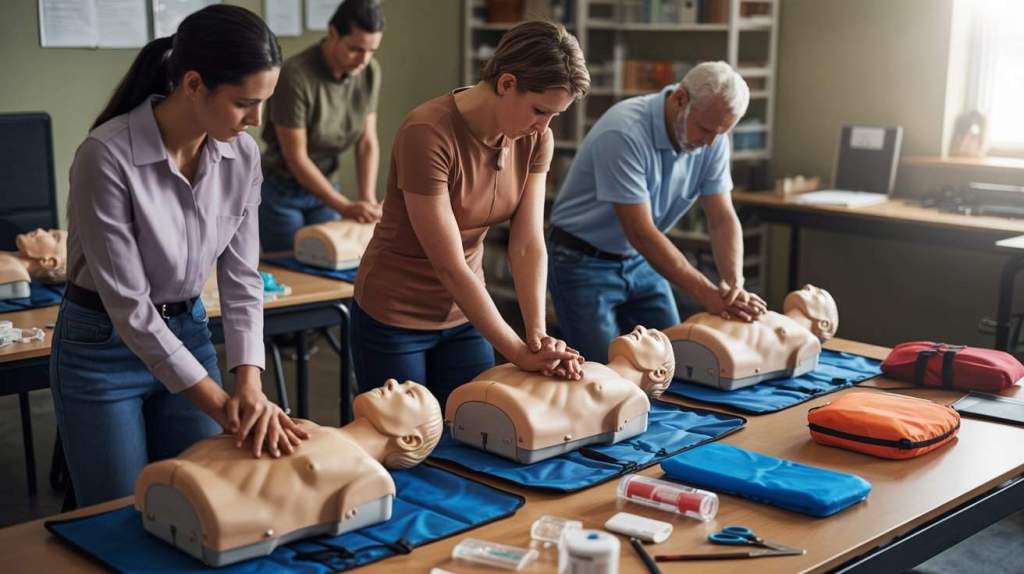
Many organizations now offer Tactical First Aid courses for civilians. These programs are practical and focus on hands-on learning. Participants practice using tourniquets, managing airways, and handling trauma situations safely.
Courses are available through:
- Local emergency response agencies
- Community safety programs
- Private training companies
- Online blended programs with in-person skill sessions
Completing such training gives civilians the tools and mindset to respond effectively in real emergencies. Regular refreshers and practice sessions keep these skills sharp.
Equipment for Tactical First Aid
Civilians should consider keeping a small Tactical First Aid kit in their homes, cars, or workplaces. Essential items include:
- Tourniquet
- Trauma bandages
- Gauze and hemostatic agents
- Medical gloves
- Scissors
- Chest seals
- Splints
- Emergency blanket
Having this equipment on hand increases the chances of successful care during a Medical Emergency.
Spreading Awareness and Preparedness
Communities benefit when more people understand Tactical First Aid. Encouraging family members, friends, and coworkers to get trained strengthens overall preparedness. Schools, offices, and public institutions can also include Tactical First Aid education in safety programs.
Public awareness campaigns and community workshops can help build a culture where safety and readiness are shared responsibilities.
Conclusion
Tactical First Aid is an essential life skill for civilians in today’s uncertain world. It empowers ordinary people to act effectively during a Medical Emergency, saving lives and supporting first responders. The training is practical, direct, and applicable in many situations, from traffic accidents to public violence or natural disasters.
Learning Tactical First Aid is not just about medical knowledge; it is about readiness, confidence, and responsibility. Every civilian who gains these skills becomes a valuable part of a safer, more prepared society.
 Every Corner
Leave a comment