
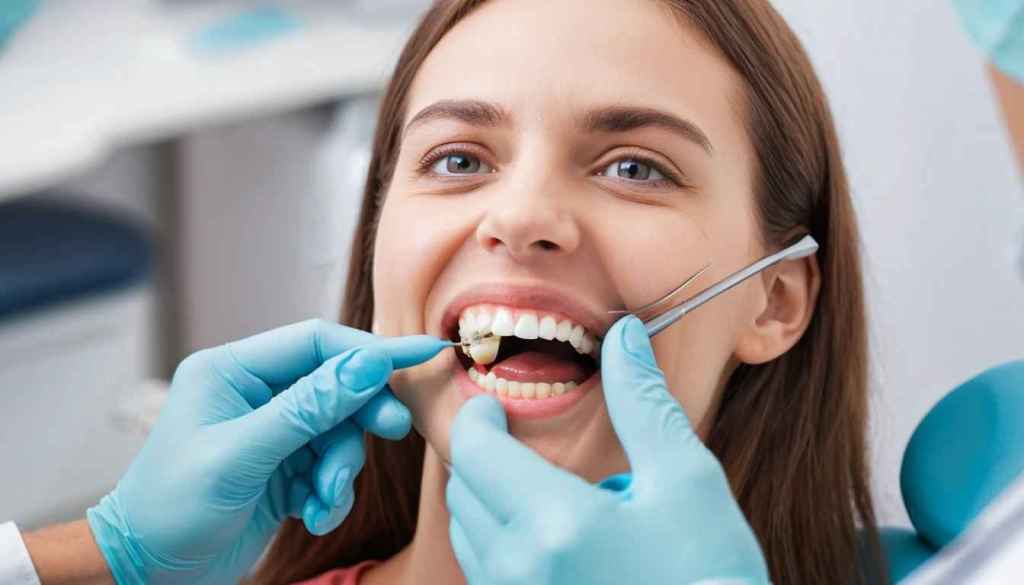
A broken tooth can cause pain, sensitivity, and stress. Many people do not know what steps to take before reaching a dental clinic. Acting quickly can reduce the risk of further damage and ease discomfort. This guide explains how to manage broken teeth before professional treatment.
Understanding Broken Teeth
Broken teeth can happen for many reasons. They may result from biting something hard, an accident, tooth decay, or weakened enamel. Some breaks are small chips, while others can split the tooth deeply. The type of break will affect the level of pain and urgency of treatment.
Common causes of broken teeth
- Biting hard food such as nuts, ice, or lollies
- Sports injuries or accidents
- Untreated tooth decay that weakens the tooth
- Teeth grinding during sleep
- Old fillings that crack or fall out
Symptoms of a broken tooth
- Sharp or uneven edges inside the mouth
- Sudden pain when chewing
- Sensitivity to hot or cold food and drinks
- Swelling around the gum line
- Bleeding if the break is severe
First Aid for Broken Teeth
Immediate care can protect the tooth until you reach a dental clinic. These steps reduce pain and keep the area safe.
Rinse the mouth
Rinse with warm water to clear away dirt or food. Avoid very hot or cold water as it may increase sensitivity.
Control bleeding
If the tooth break causes bleeding, press a clean cloth or gauze to the area. Hold it in place until the bleeding slows.
Manage pain
Take over-the-counter pain relief such as paracetamol or ibuprofen. Avoid placing medicine directly on the tooth, as this may damage gum tissue.
Protect sharp edges
If the tooth edge is rough, cover it with dental wax, sugar-free gum, or a small piece of clean gauze. This prevents cuts on the tongue or cheek.
Keep broken fragments
If a piece of the tooth has broken off, place it in milk or saline solution. Bring it with you to the dentist, as sometimes it can be reattached.
Avoid using the tooth
Do not bite down on the broken tooth. Stick to soft foods and chew on the opposite side of the mouth.
When to Call a Dentist
Not all broken teeth cause severe pain, but every case needs professional care. Contact a dentist as soon as possible, even if the damage seems small.
Urgent cases
Call a dental clinic right away if:
- Pain is strong and constant
- The break exposes the inner layer of the tooth
- There is bleeding that does not stop
- The tooth feels loose in the socket
Less urgent cases
If the damage is minor, such as a small chip, you may wait a short time. Still, make an appointment quickly to prevent more damage.
Treatment Options at a Dental Clinic
A dentist will carefully examine a broken tooth to determine the best treatment. Factors such as the size of the break, the tooth’s location, and the patient’s overall oral health play a major role in choosing the right solution. Options may include bonding, veneers, or dental crowns, depending on the severity of the damage and how it affects chewing and appearance.
Visiting an experienced Castle Hill Dentist can make a significant difference in both comfort and results. A local dental professional not only restores the tooth but also ensures long-term oral health through preventive care and routine checkups. By addressing the immediate problem and creating a plan for ongoing maintenance, patients can protect their smiles while reducing the risk of future complications.
Dental bonding
For small chips, bonding is a common solution. The dentist applies a tooth-coloured resin that blends with the natural tooth.
Dental crown
If a large section is missing, a crown may be fitted. A crown covers the entire tooth, giving strength and protection.
Root canal
When the inner pulp is exposed or infected, a root canal may be required. This removes the damaged tissue and saves the tooth.
Extraction
If the tooth cannot be repaired, extraction may be the last option. The dentist may replace the tooth with an implant, bridge, or denture.
How to Prevent Broken Teeth
Prevention reduces the risk of broken teeth and limits the need for emergency care.
Practise safe eating habits
Avoid biting very hard food. Cut tough items into smaller pieces before eating.
Wear a mouthguard
If you play contact sports, wear a mouthguard to protect teeth from impact.
Address teeth grinding
Speak to your dentist if you grind your teeth at night. A custom mouthguard can protect against wear and cracks.
Maintain oral hygiene
Brush twice daily, floss once a day, and use fluoride toothpaste. Healthy teeth are stronger and less likely to break.
Regular dental check-ups
Visit a dental clinic every six months. Routine care allows early detection of weak spots or damage.
What Not to Do With a Broken Tooth
Mistakes can make the damage worse. Avoid these actions if you have broken teeth:
- Do not delay contacting a dentist
- Do not chew on the broken tooth
- Do not use sharp objects to remove stuck food
- Do not ignore pain or swelling
- Do not try to glue the tooth yourself
Living With a Repaired Tooth
After treatment, care is important to keep the tooth healthy. Follow the dentist’s advice for cleaning and eating. Avoid biting very hard objects, and schedule regular check-ups.
Conclusion
Broken teeth are a common dental problem. Quick action at home can reduce pain and protect the tooth until you see a dentist. A dental clinic can provide solutions ranging from bonding to crowns or root canals. Preventive care, safe habits, and routine visits reduce the risk of future damage. If you break a tooth, act quickly, manage pain, and call a dentist without delay.
 Every Corner
Leave a comment