
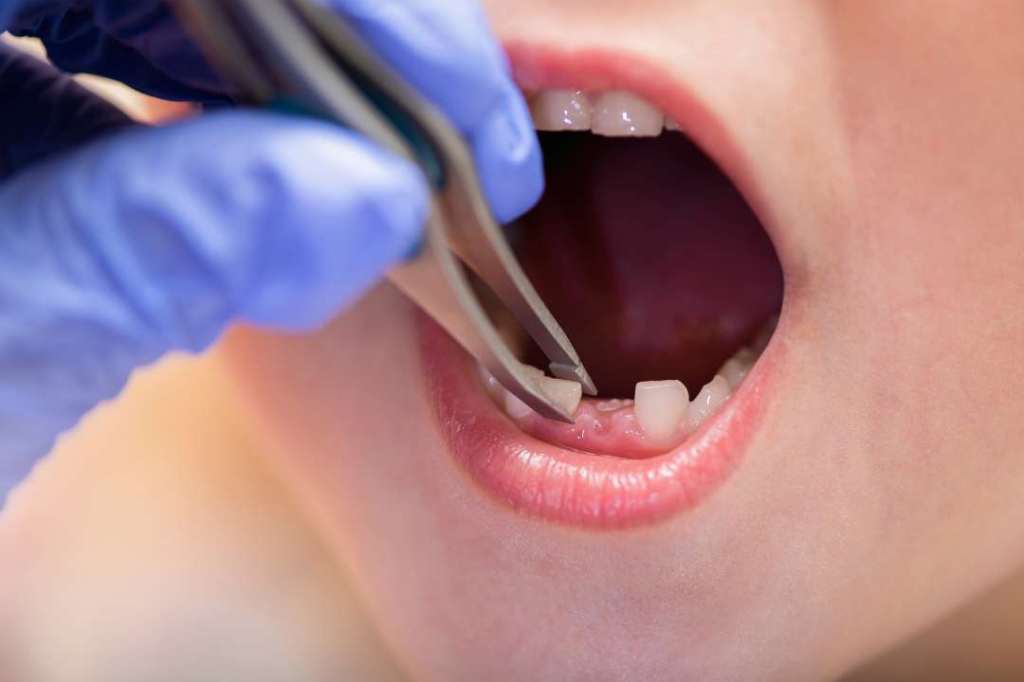
Getting your wisdom teeth extracted might seem daunting, but it’s a common procedure that many people go through in their late teens or early twenties. The recovery process afterward is crucial for a smooth healing experience. Whether you’ve had one or all four wisdom teeth removed, knowing how to take care of yourself after surgery can make a world of difference. In this guide, we’ll cover some essential recovery tips after wisdom teeth extraction to help you heal quickly and comfortably.
Why is Recovery Important After Wisdom Teeth Extraction?
Before diving into recovery tips, it’s important to understand why this phase is critical. Wisdom teeth extraction is a minor surgical procedure, but it can lead to discomfort, swelling, and even complications like infection if not managed well. Taking care of your mouth and following your dentist’s instructions closely helps you avoid these issues, ensuring your gums heal properly and you get back to normal faster. Learn more about the teeth extraction from this website.
Top Recovery Tips After Wisdom Teeth Extraction
Here are some tried-and-true recovery tips to help you manage pain, swelling, and discomfort effectively after wisdom teeth extraction.
1. Take it Easy for the First Few Days
After your surgery, you might feel like jumping back into your routine, but rest is essential. Your body needs time to heal, and overexerting yourself too soon can prolong the recovery process. Take at least 2-3 days off from school, work, or strenuous activities. Use this time to relax, watch movies, or read books, giving your body a chance to heal faster.
a. Avoid Strenuous Activity
It’s not just about resting; you should avoid any activities that increase your heart rate, like heavy lifting or exercise. These activities can increase blood pressure, leading to more bleeding from the extraction site.
b. Use Pillows to Prop Yourself Up
When you’re resting, try to keep your head elevated, especially during sleep. Use extra pillows to prop yourself up, which helps reduce swelling and promotes better blood flow.
2. Manage Swelling with Ice Packs
Swelling is common after wisdom teeth removal, but it can be managed. Apply ice packs to the outside of your face, near the extraction sites, for 20 minutes at a time. This reduces swelling and provides relief from discomfort.
a. How Often Should You Use Ice?
In the first 24-48 hours, use ice packs as often as needed to keep swelling under control. However, after two days, switch to using heat, as this promotes circulation and helps with healing.
3. Follow the Right Diet
Your mouth is sensitive after wisdom teeth extraction, so it’s important to be cautious with what you eat. Stick to soft, easy-to-eat foods that don’t require much chewing.
a. Best Foods to Eat
Some great options include:
- Smoothies (without a straw)
- Mashed potatoes
- Applesauce
- Yogurt
- Broth-based soups
b. Foods to Avoid
Steer clear of hard, crunchy, or spicy foods, as these can irritate the wound and cause discomfort. Also, avoid using straws, as the suction can dislodge the blood clot, leading to a painful condition called dry socket.
4. Stay Hydrated
Staying hydrated is key to a quick recovery, but be mindful of how you drink liquids. Sip slowly from a cup, avoiding any type of straw to prevent complications. Water is your best bet during this time, but you can also drink clear broths and other non-acidic liquids.
a. What Drinks Should You Avoid?
Stay away from carbonated drinks, alcohol, and anything too hot or cold. These can irritate the sensitive areas of your mouth and slow down the healing process.
5. Keep the Area Clean (But Be Gentle)
Maintaining good oral hygiene is still important after wisdom teeth extraction, but you’ll need to modify your routine slightly. Gently rinse your mouth with warm saltwater to keep the area clean and prevent infection.
a. How to Use a Saltwater Rinse
Mix a teaspoon of salt with a cup of warm water and gently swish it around your mouth. Be careful not to spit forcefully, as this could disrupt the healing blood clot.
b. When Can You Resume Brushing?
You can start brushing your teeth again the day after surgery, but avoid the extraction site for a few days. Use a soft-bristled toothbrush and be gentle around your gums.
6. Take Medications as Prescribed
Your dentist may prescribe medications to manage pain and prevent infection. It’s important to take these as directed, even if you’re feeling better. Pain medications can help you stay comfortable, while antibiotics will prevent any potential infections from developing.
a. What to Do If You Miss a Dose
If you forget to take a dose, take it as soon as you remember, unless it’s almost time for your next dose. Never double up on medication to make up for a missed dose.
7. Watch for Signs of Complications
While wisdom teeth extraction is generally a routine procedure, complications can still arise. It’s important to be aware of potential issues and act quickly if they occur.
a. Signs of Dry Socket
One of the most common complications is dry socket, which occurs when the blood clot is dislodged from the extraction site. Symptoms include severe pain, bad breath, and an empty-looking socket.
b. Signs of Infection
If you notice increased swelling, persistent pain, fever, or pus around the extraction site, you may have an infection. Contact your dentist immediately if you experience any of these symptoms.
8. Attend Follow-Up Appointments
After your surgery, your dentist will likely schedule a follow-up appointment to ensure you’re healing properly. Don’t skip these! Your dentist will check for any signs of infection or complications and may remove stitches if needed.
Conclusion
Recovery after wisdom teeth extraction doesn’t have to be overwhelming. By following these simple tips and adhering to your dentist’s advice, you can ensure a smooth, pain-free recovery. From resting and managing swelling to eating the right foods and staying hydrated, each step plays a crucial role in your healing process. Remember to keep an eye out for any signs of complications and attend your follow-up appointments for the best results. With proper care, you’ll be back to your normal routine before you know it!
 Every Corner
Leave a comment