
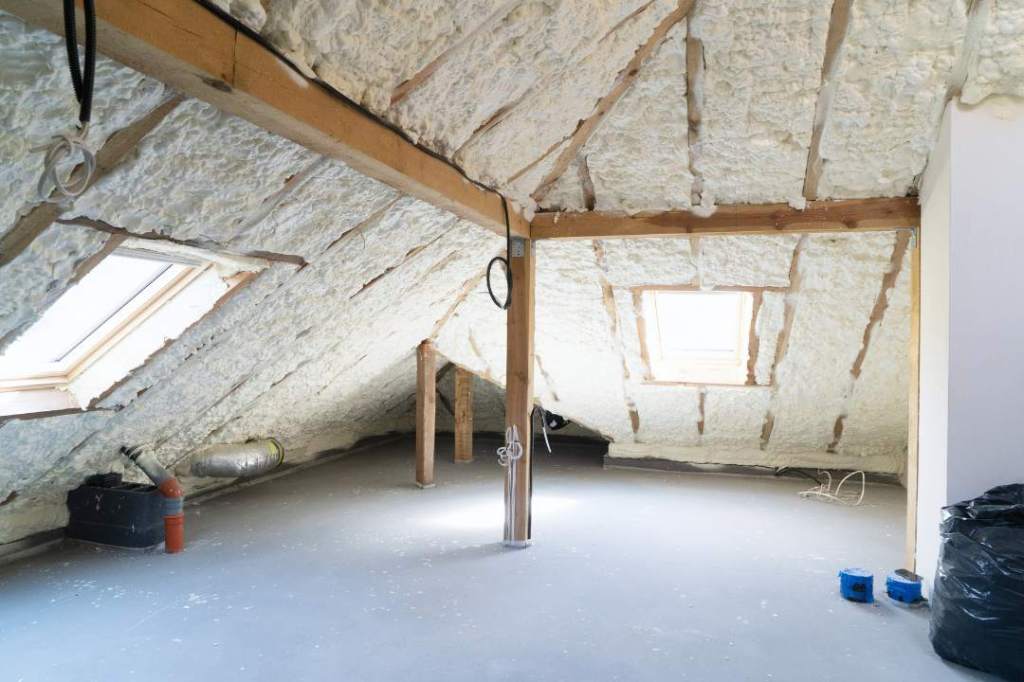
Georgia is known for its sweltering summers, where high temperatures and sticky humidity make cooling costs skyrocket. If you’re a homeowner in Georgia, you’ve likely felt the pain of soaring energy bills during the hottest months of the year. The good news? Attic encapsulation can be a game-changer when it comes to keeping your home cooler and saving on energy expenses.
In this article, we’ll explore how attic encapsulation can save on cooling costs in Georgia, why it’s an ideal solution for the state’s climate, and how you can benefit from this smart home improvement.
What is Attic Encapsulation?
Attic encapsulation is the process of sealing and insulating your attic to create a controlled environment. Unlike traditional attics, which allow air to flow in and out, an encapsulated attic is fully sealed with vapor barriers, insulation, and sometimes a dehumidifier. This creates a buffer that prevents outdoor air and moisture from entering your home and keeps your indoor air more stable.
Why is Attic Encapsulation Effective for Homes in Georgia?
Georgia’s climate is characterized by high heat and humidity, especially during the summer months. Without proper insulation, heat can seep into your attic, and moisture can build up, causing your HVAC system to work overtime to maintain a comfortable indoor temperature. Attic encapsulation by Epic Spray Foam is designed to combat these issues by keeping hot air out and conditioned air in.
Benefits of Attic Encapsulation for Reducing Cooling Costs
1. Preventing Heat Transfer
- One of the primary ways attic encapsulation saves on cooling costs in Georgia is by minimizing heat transfer. In a poorly insulated attic, heat from the sun easily penetrates the attic space, causing your home to heat up. This makes your air conditioner work harder, leading to higher energy consumption. With attic encapsulation, a tight seal prevents this heat from entering your attic, allowing your home to stay cooler with less effort from your cooling system.
2. Reducing Humidity
- Georgia is known for its humid climate, which can make even air-conditioned spaces feel sticky and uncomfortable. Encapsulating your attic helps reduce humidity levels in your home by blocking moisture from entering through the attic. Lower humidity means your air conditioner won’t need to run as long or as often to keep your home cool and comfortable.
3. Improving Energy Efficiency
- When your attic is encapsulated, your home’s HVAC system becomes more efficient. Since the air conditioner doesn’t have to battle against as much heat and humidity, it operates more effectively, using less energy. This translates to lower energy bills. Many homeowners in Georgia report a significant reduction in their cooling costs after investing in attic encapsulation.
4. Extending the Life of Your HVAC System
- Constantly running your air conditioner to cool a hot, humid home puts a lot of strain on the system. Over time, this can lead to more frequent repairs and a shorter lifespan for your HVAC unit. By reducing the workload on your air conditioner through attic encapsulation, you can help extend the life of your HVAC system, saving money on repairs and replacements.
How Attic Encapsulation Works to Save on Cooling Costs in Georgia
Step 1: Inspection and Preparation
Before the encapsulation process begins, a professional will inspect your attic for any existing issues, such as leaks or mold. Addressing these problems first is essential to ensure that the encapsulation is effective.
Step 2: Installing Vapor Barriers
A vapor barrier is installed to prevent moisture from seeping into the attic. This is crucial in Georgia’s humid environment, where moisture can easily build up, causing insulation to become less effective and increasing the risk of mold growth.
Step 3: Insulating the Attic
The next step is adding insulation. Closed-cell spray foam insulation is often used because it provides both a thermal barrier and an airtight seal. This insulation helps prevent hot air from entering your home while keeping your conditioned air from escaping.
Step 4: Sealing Gaps and Cracks
All gaps, cracks, and openings in the attic are sealed to ensure there are no pathways for air to leak in or out. This step is essential for maintaining the integrity of the encapsulation and maximizing energy efficiency.
Step 5: Adding a Dehumidifier (if needed)
In particularly humid climates, like Georgia, adding a dehumidifier to the attic may be necessary. This helps maintain a dry environment, further reducing the workload on your air conditioning system and enhancing comfort inside your home.
Common Questions About Attic Encapsulation in Georgia
How much does attic encapsulation cost?
The cost of attic encapsulation depends on several factors, including the size of your attic and the materials used. On average, homeowners in Georgia can expect to pay between $1,500 and $7,000 for attic encapsulation. While the upfront cost may seem high, the long-term savings on cooling costs make it a worthwhile investment.
How much can I save on cooling costs with attic encapsulation?
Attic encapsulation can lead to significant savings on your energy bills. In Georgia, homeowners often see a 15% to 30% reduction in cooling costs after encapsulating their attic. The exact savings will depend on the size of your home, the efficiency of your HVAC system, and how well your attic is sealed and insulated.
Is attic encapsulation suitable for older homes?
Yes, attic encapsulation can be beneficial for both new and older homes. In fact, older homes may benefit even more from encapsulation, as they tend to have outdated insulation and more air leaks. Encapsulating the attic in an older home can drastically improve energy efficiency and indoor comfort.
Will attic encapsulation also help with heating costs in the winter?
While this article focuses on how attic encapsulation can save on cooling costs in Georgia, it’s important to note that the benefits extend to winter months as well. Encapsulating your attic will help prevent heat from escaping during the colder months, reducing heating costs and improving year-round comfort.
The Long-Term Value of Attic Encapsulation
Increased Home Comfort
By encapsulating your attic, you create a more stable and comfortable indoor environment. No more battling against hot, humid air that sneaks into your home, causing your AC to struggle. Instead, your home will feel consistently cool and comfortable throughout the summer.
Enhanced Property Value
Energy-efficient improvements like attic encapsulation can increase the value of your home. If you’re planning to sell in the future, potential buyers will appreciate the lower energy costs and better indoor comfort, making your home a more attractive option.
Environmental Impact
Attic encapsulation doesn’t just save you money—it’s also a greener option. By reducing the amount of energy your home consumes, you’re lowering your carbon footprint and contributing to a more sustainable future.
Conclusion
If you’re tired of sky-high cooling bills and a home that never seems to stay cool during Georgia’s hot summers, attic encapsulation could be the solution you need. How attic encapsulation can save on cooling costs in Georgia is clear: it prevents heat transfer, reduces humidity, and makes your HVAC system more efficient. Whether you’re looking to lower your energy bills, increase your home’s comfort, or invest in energy-efficient improvements, encapsulating your attic is a smart move for homeowners in Georgia’s hot and humid climate.
Don’t let the heat take control of your home—consider attic encapsulation and start enjoying a cooler, more efficient living space today!
 Every Corner
Leave a comment